
Module 5: Sampling with Gear
This module introduces the use of nets as practical tools for sampling syngnathids in estuarine and coastal environments. Gear-based sampling can be particularly useful in areas with poor visibility, deeper sites where dive time is limited, or dense and complex habitats like seagrass meadows, but poses greater risks to both the animals and their habitats than non-invasive methods such as underwater visual surveys. However, the potential for negative consequences for syngnathids and their habitats can be mitigated by following best practice guidelines as outlined in this module.
The module explains why and when gear sampling is appropriate, and outlines the trade-offs associated with different approaches. It emphasizes that all gear types are inherently selective, influenced by habitat and by the size, species, life stage, and body form of the fish, which must be considered when interpreting results.
Guidance is provided on selecting suitable gear for specific objectives, followed by detailed protocols for commonly used methods, including push nets, seine nets, and otter trawls. Together, these approaches support standardized, repeatable sampling to inform assessments of syngnathid populations and habitats.
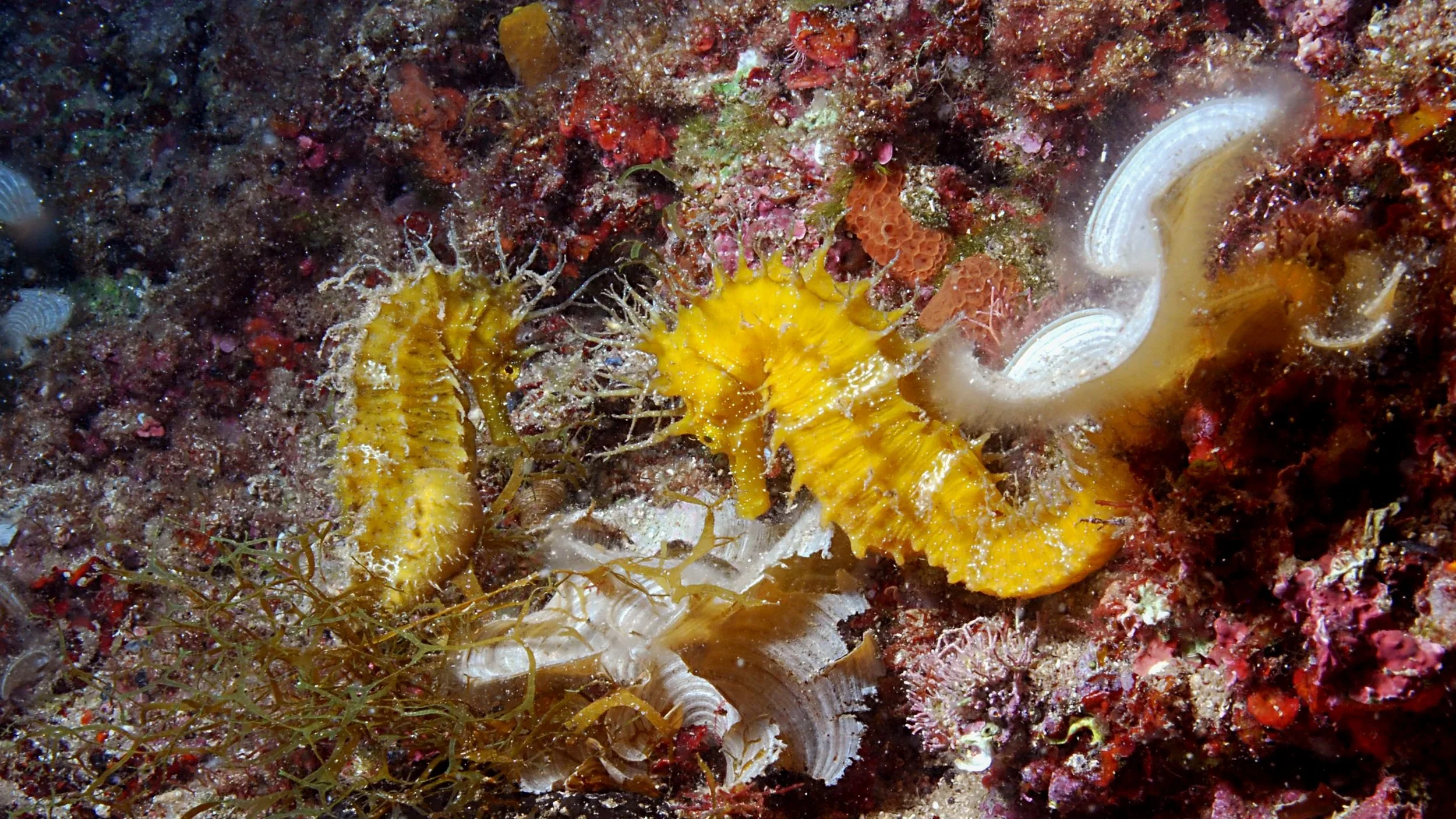
Banner image of long-snouted seahorse (H. guttulatus) © Claudia Gravenstein / Guylian SOTW
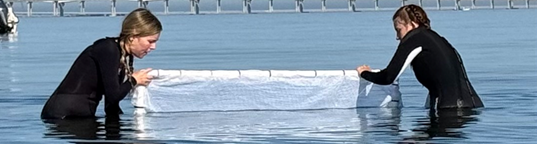
Image of researchers with pushnet sampling for seahorses © Heather Mason and Emily Rose
[Page updated 19 August 2026]