
Standardized Sampling Protocols for Syngnathid Monitoring and Conservation
Standardized survey methods are essential for producing reliable and comparable data on syngnathid fishes, including seahorses, pipefish, seadragons, and pipehorses. Syngnathids are often difficult to detect because they occur in low numbers and hide within complex habitats. Consistent methods reduce the variation caused by different survey techniques and help reveal true changes in populations and habitats. Further, many species remain poorly studied, so clear and repeatable methods are vital for building a stronger knowledge base.
The protocols we present here are based on the collective experience of members of the SPS SG, researchers, and field practitioners working with syngnathids in many environments. They offer practical and ethical approaches for assessing distribution, abundance, habitat use, and population structure of syngnathid fishes. They can be used across a wide range of settings and by both scientific teams and trained community monitors to identify key habitats, assess threats, track population trends, and evaluate conservation actions.
The modules offer approaches for monitoring syngnathids in situ, either underwater or using gears, and ex situ, by monitoring their fisheries or trade. Explore the modules in the sidebar - each one dives into a specific topic and is available for download as a PDF.
This is a work in progress, and we warmly welcome feedback to improve its clarity, practicality, and scientific value.
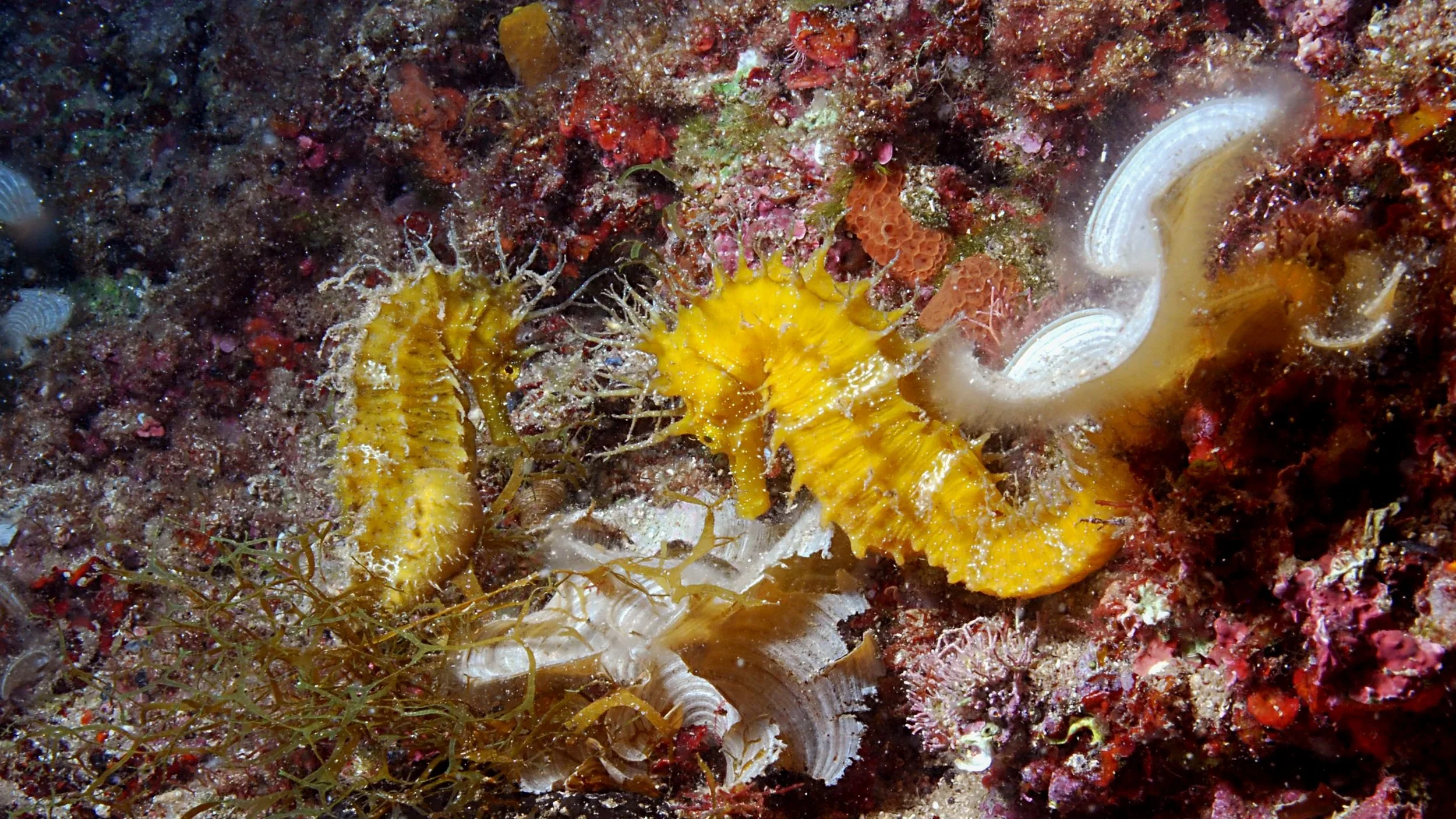
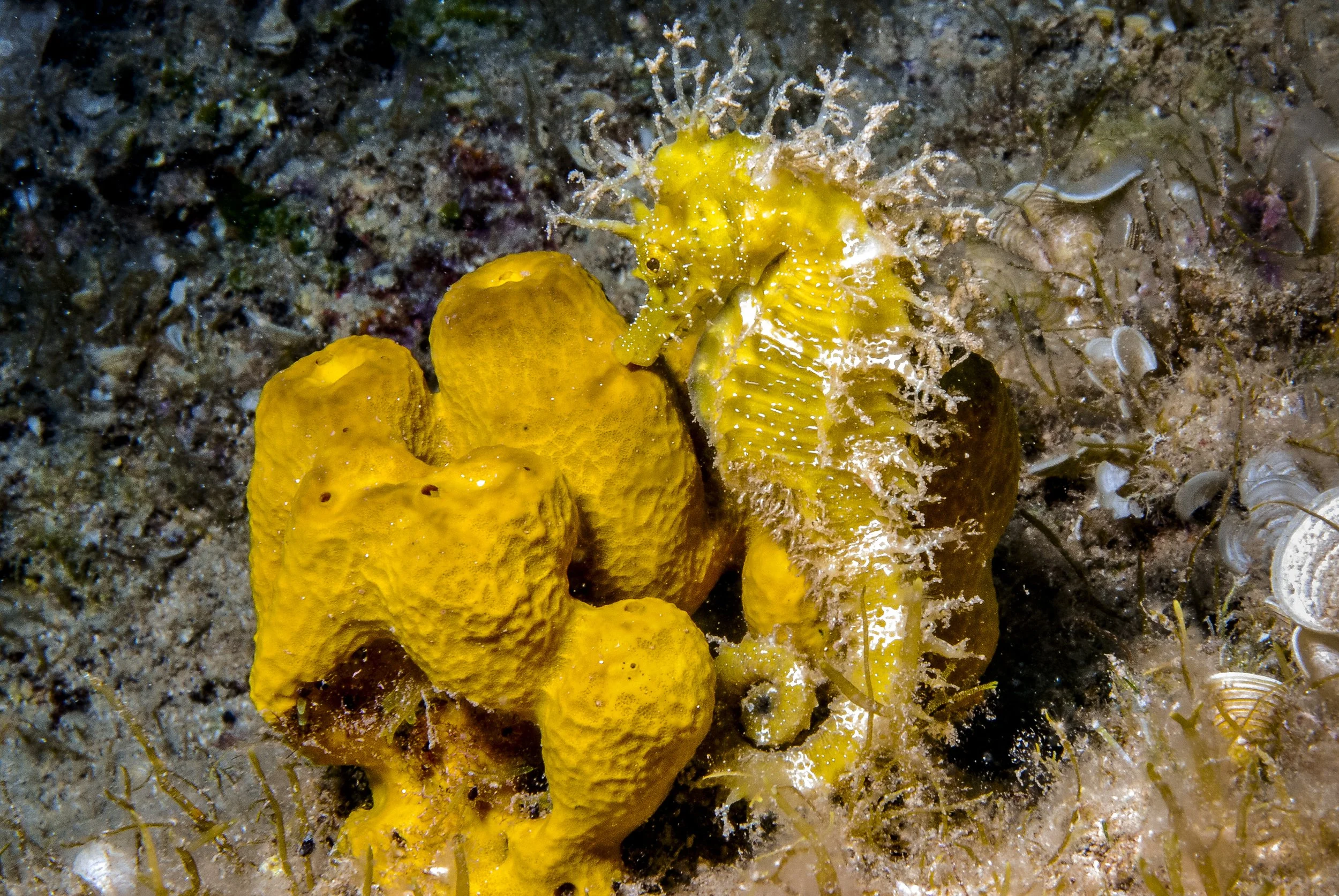
Banner and page images of long-snouted seahorse (H. guttulatus) © Claudia Gravenstein / Guylian SOTW
[Page updated 19 May 2026]