
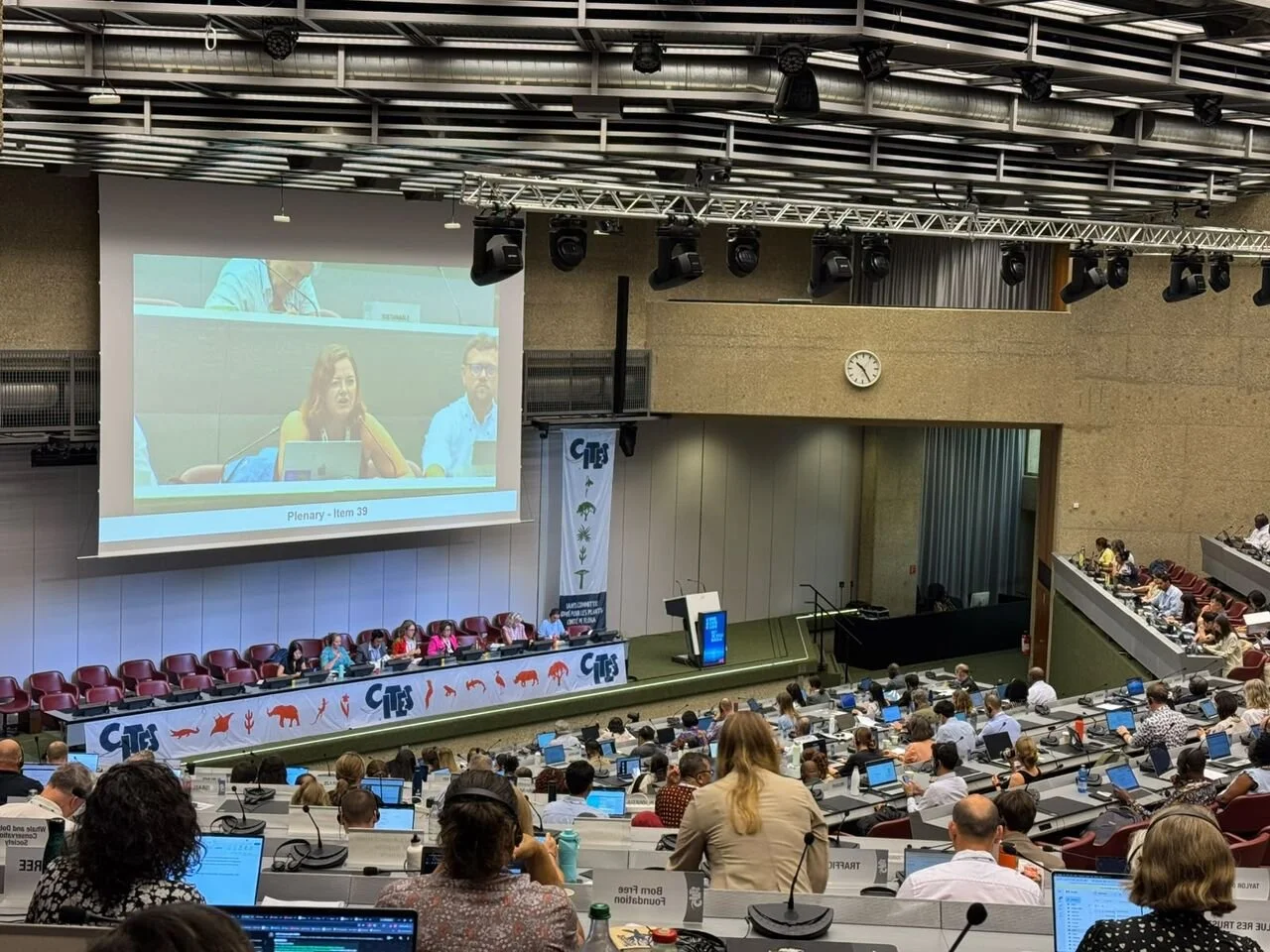
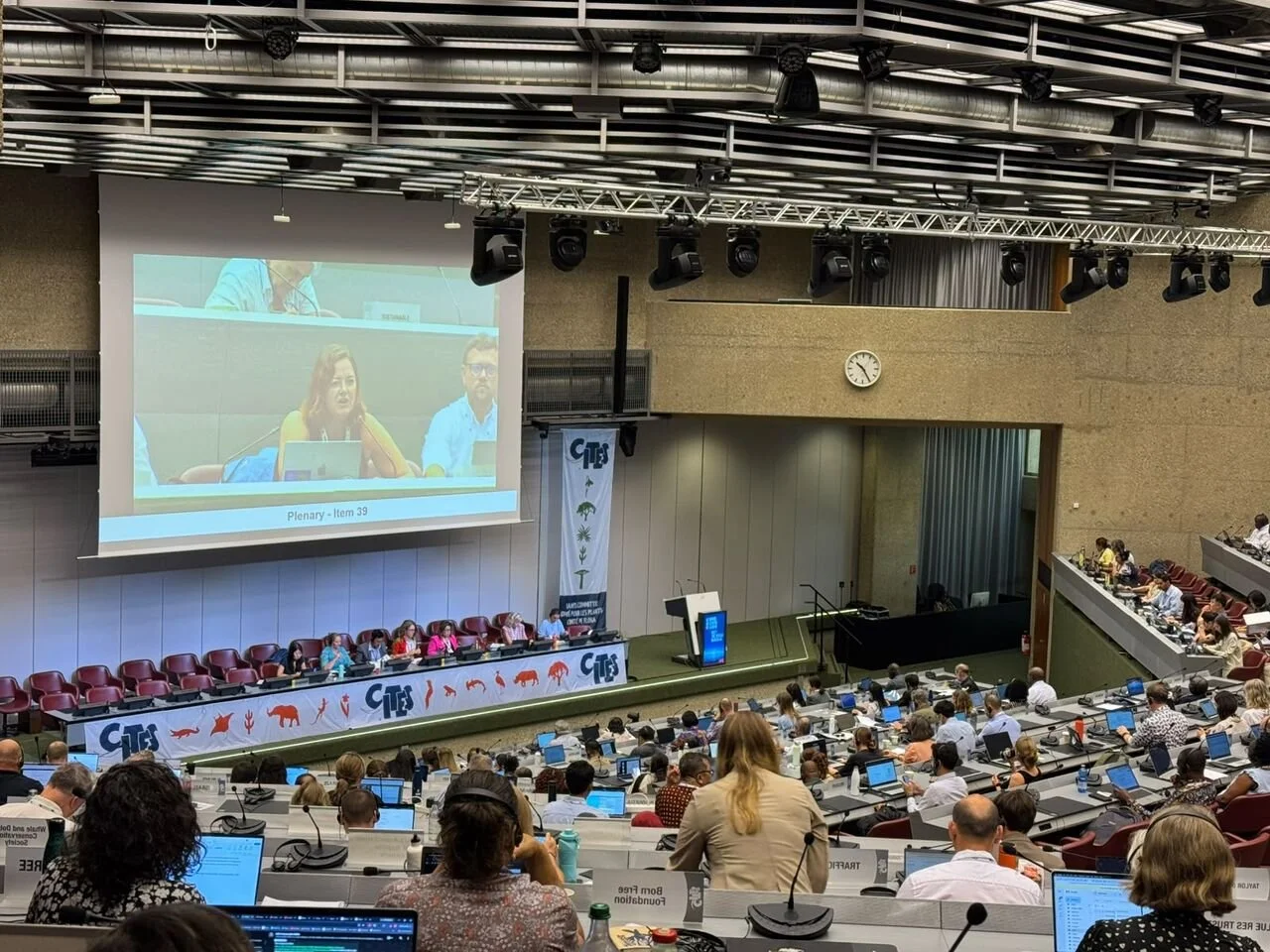
Governments have made promises to protect seahorses from illegal and unsustainable trade. At the 34th meeting of the Convention on International Trade in Endangered Species of Wild Fauna and Flora (CITES) Animals Committee, Dr. Sarah Foster, our Focal Point for Global Fisheries and Trade, had the chance to take the floor on behalf of the IUCN SSC Seahorse, Pipefish and Seadragon Specialist Group.
The message was simple: our Specialist Group stands ready to support governments in implementing CITES, including the formal mandates (Decisions) adopted at CoP20. To back that up, we've developed three practical guidance resources, made possible thanks to the generous support of Principality of Monaco, our long-standing champion for seahorse conservation.
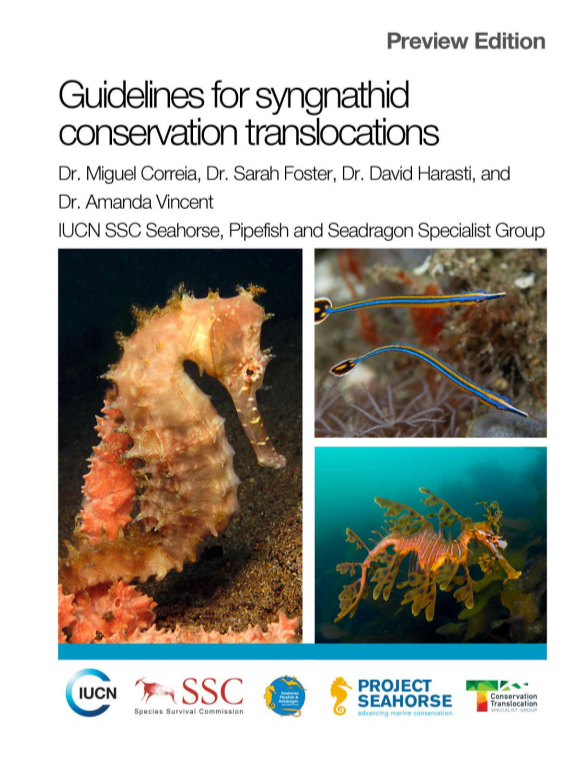
🌊 Guidelines for syngnathid conservation translocations (with the IUCN SSC Conservation Translocation Specialist Group). Seahorse releases, however well intentioned, can do real harm to wild populations if done without rigour. This guidance sets out the scientific and planning standards needed for translocations to actually support conservation rather than undermine it.
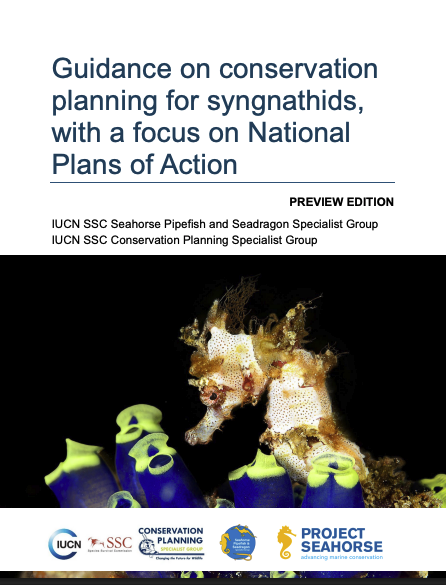
🌊 Guidance on conservation planning for syngnathids, with a focus on National Plans of Action. A flexible framework to help governments turn CITES commitments into practical, on-the-ground conservation and management strategies.
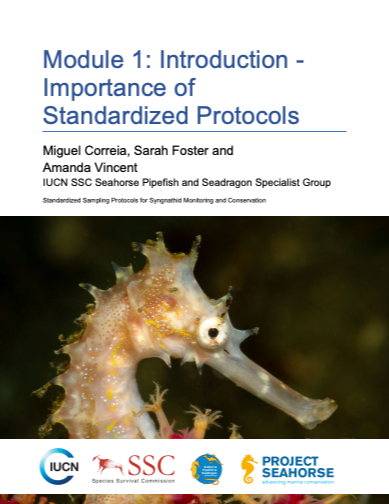
🌊 Standardized sampling protocols for syngnathid monitoring and conservation. Seahorses are naturally cryptic and hard to detect, so consistent monitoring methods matter. This suite of protocols gives governments a common, comparable way to gather the evidence needed to know whether trade rules are actually working.
Committee meetings like this one draw far less attention than the CoPs, but they are where the follow-through happens. This work unfolds in conference rooms, not oceans, but done well, it reduces the pressures seahorses face in the wild.