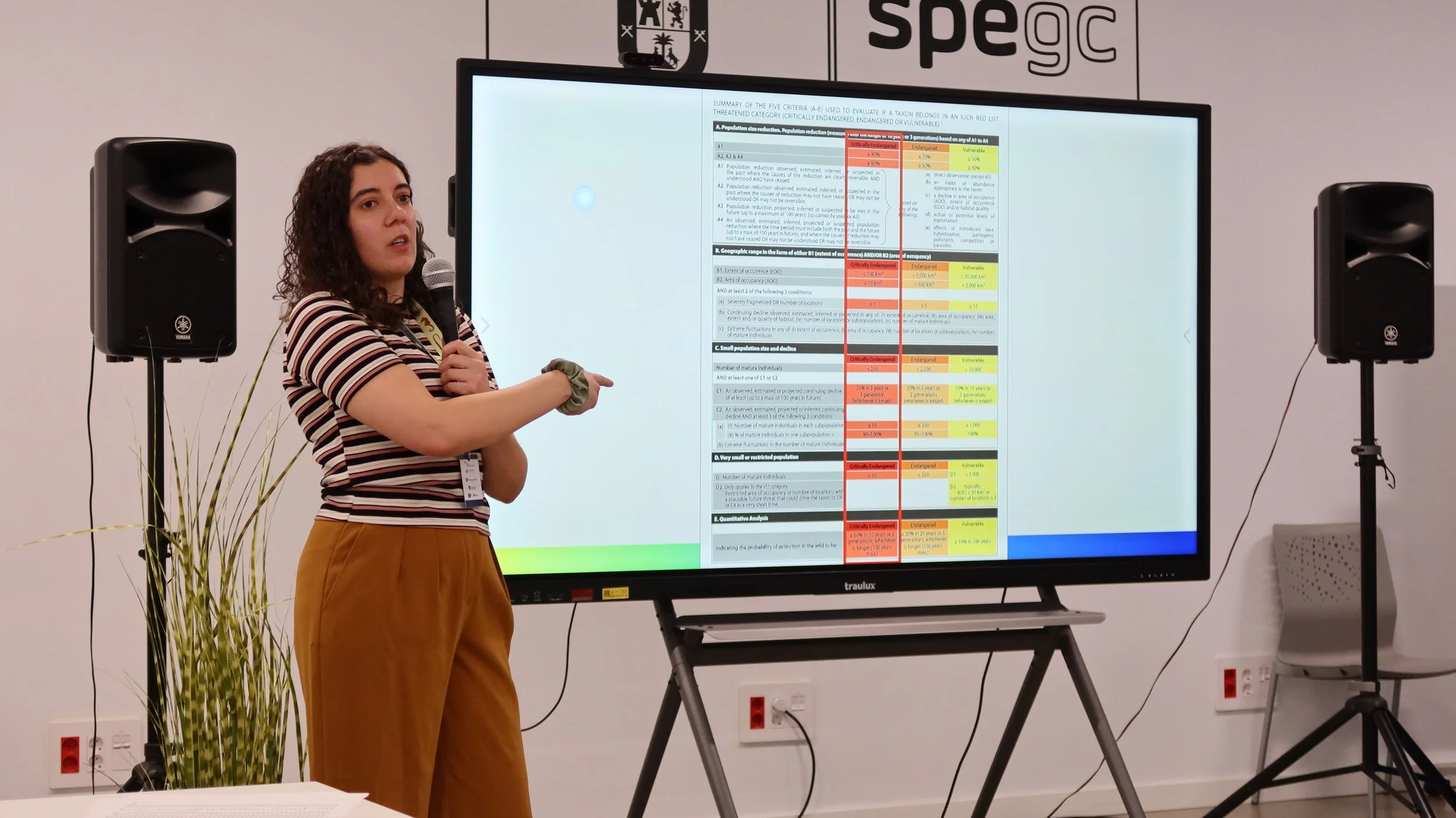
Our Red List Authority Coordinator, Elsa Camins recently attended SyngCo, a scientific conference dedicated to the conservation and research of seahorses and their relatives in Las Palmas De Gran Canaria.
We caught up with Elsa to hear about her experience representing the IUCN Seahorse, Pipefish and Seadragon Specialist Group, and how the meeting helped advance work to update International Union for Conservation of Nature (IUCN) Red List assessments for these iconic fishes
SyngCo brought together researchers working on seahorses and their relatives from across Europe. From your perspective, what was the most valuable outcome of the meeting?
SyngCo played a key role in bringing together everyone working on syngnathids across Europe. For me, the most valuable outcome was the chance to connect early‑career researchers within this small but dedicated community. The meeting also created a space to exchange ideas, identify shared challenges, and spark new collaborations for syngnathid conservation and research.
At SyngCo, you led discussions focused on how IUCN'S Red List assessments work. Why are these assessments so important for guiding conservation action?
IUCN Red List assessments compile everything we know about a species and evaluate its risk of extinction. When these assessments are accurate and up to date, they help us understand which species need urgent attention, which regions face the greatest pressures, and what conservation strategies are most appropriate. They’re the foundation for informed, effective action.
For those unfamiliar with the process, what happens during a Red List assessment workshop?
The structure can vary depending on the species and the expertise in the room, but the process usually begins with an overview of the IUCN Red List framework—its categories, criteria, and how assessments are structured. From there, we work collaboratively to review draft assessments, filling in missing information and discussing distribution, population trends, threats, and conservation measures. The goal is to ensure each assessment is as complete and evidence‑based as possible. For instance, at this workshop we were able to review assessments for four species.
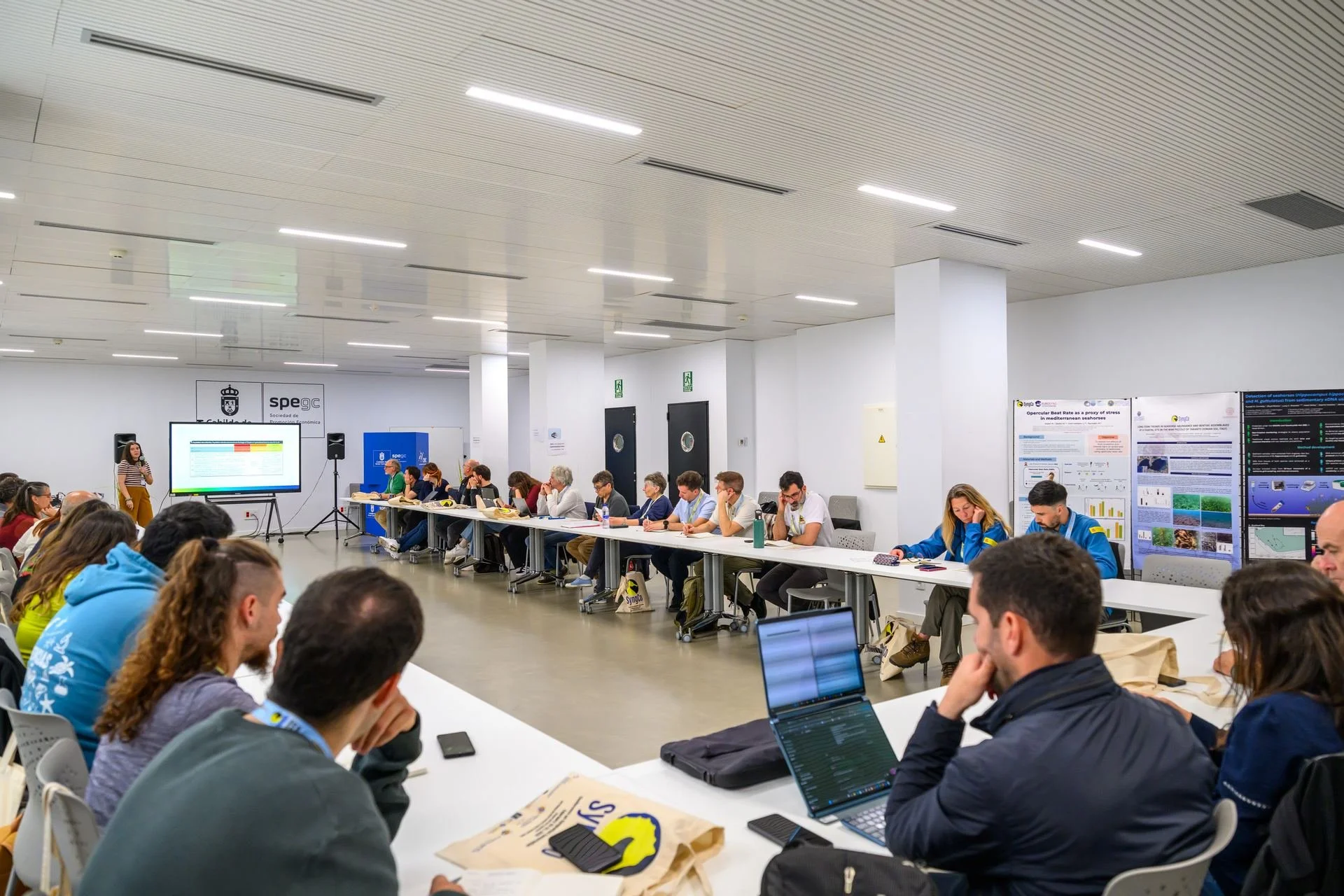
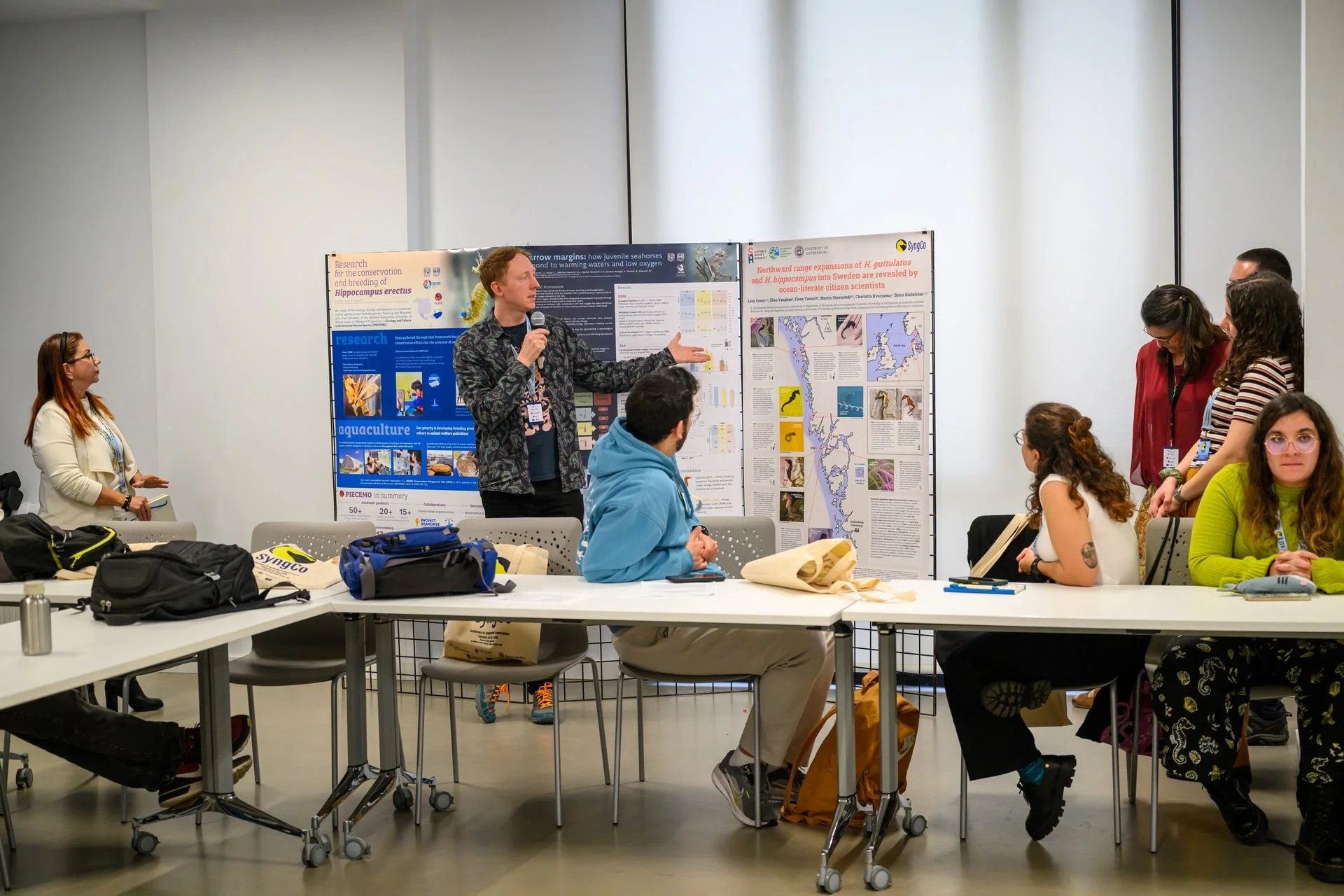
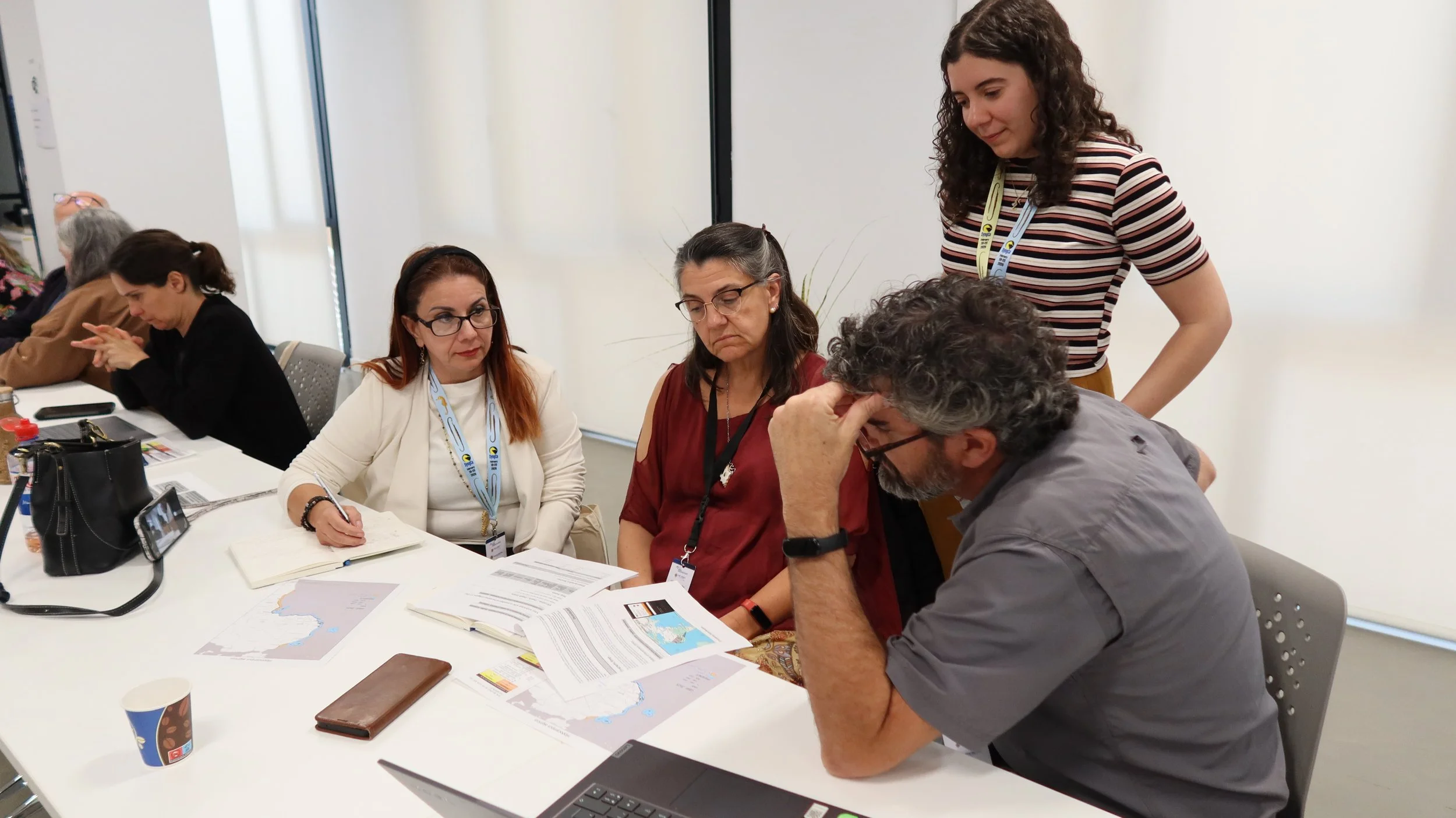
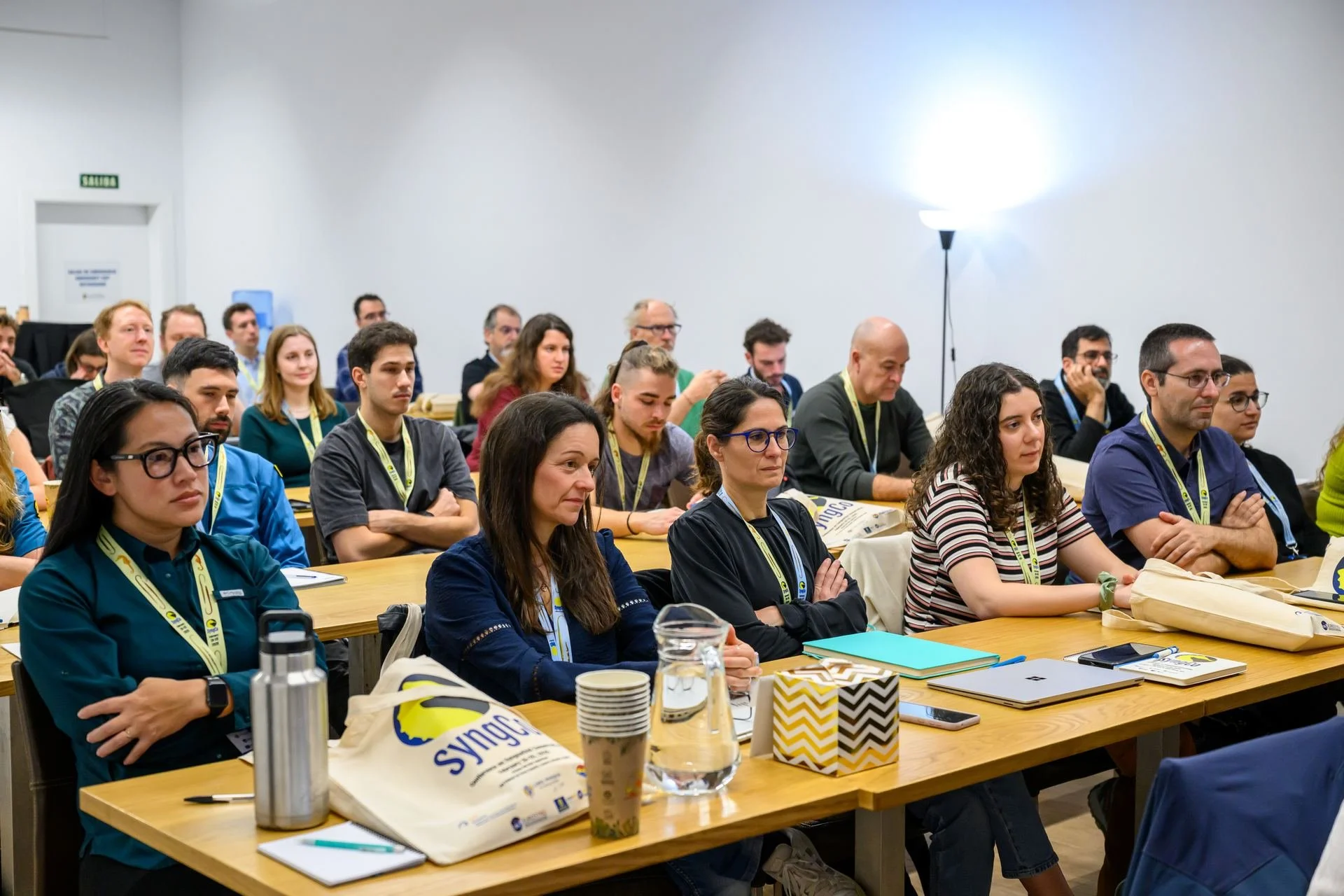
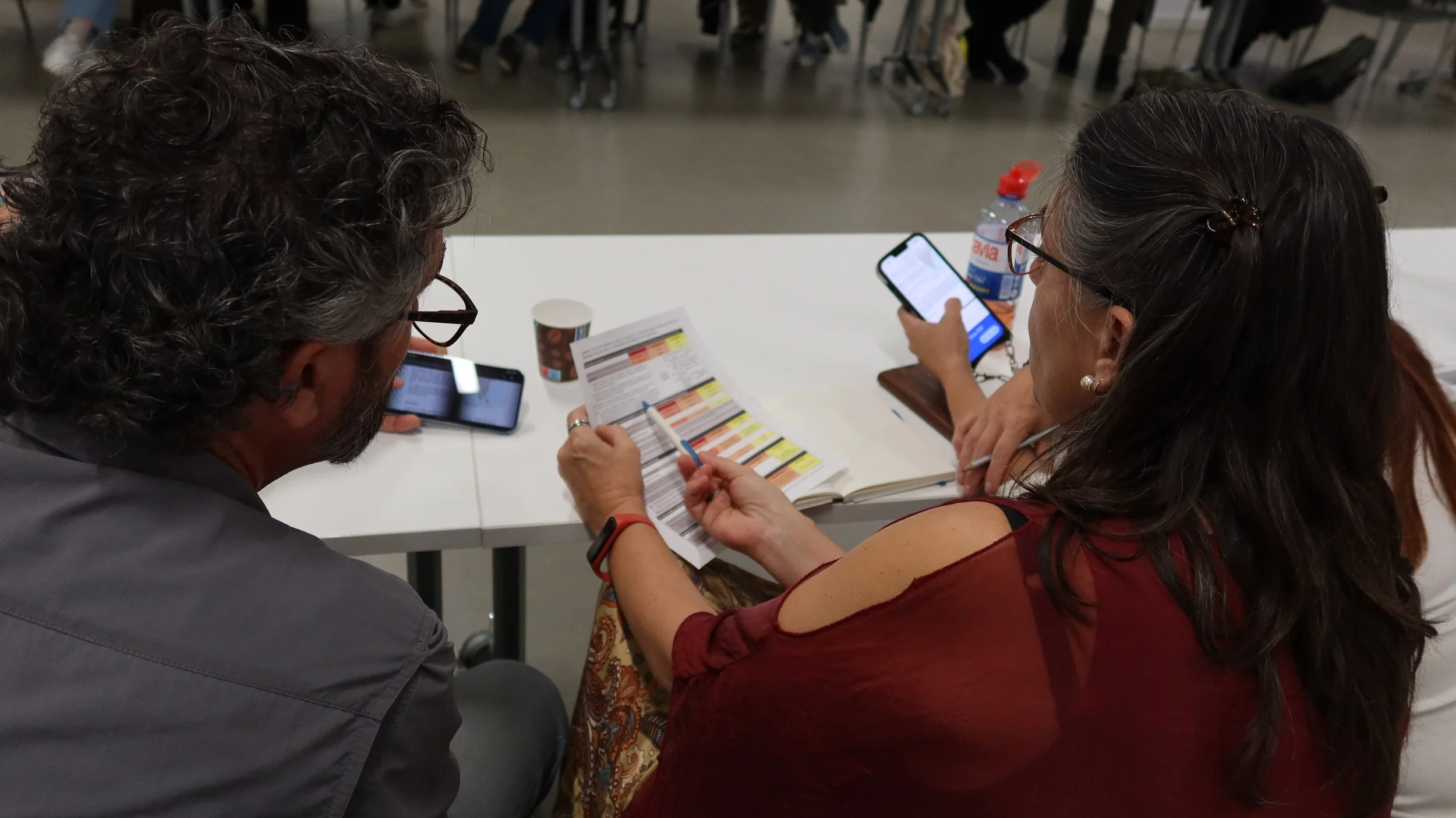
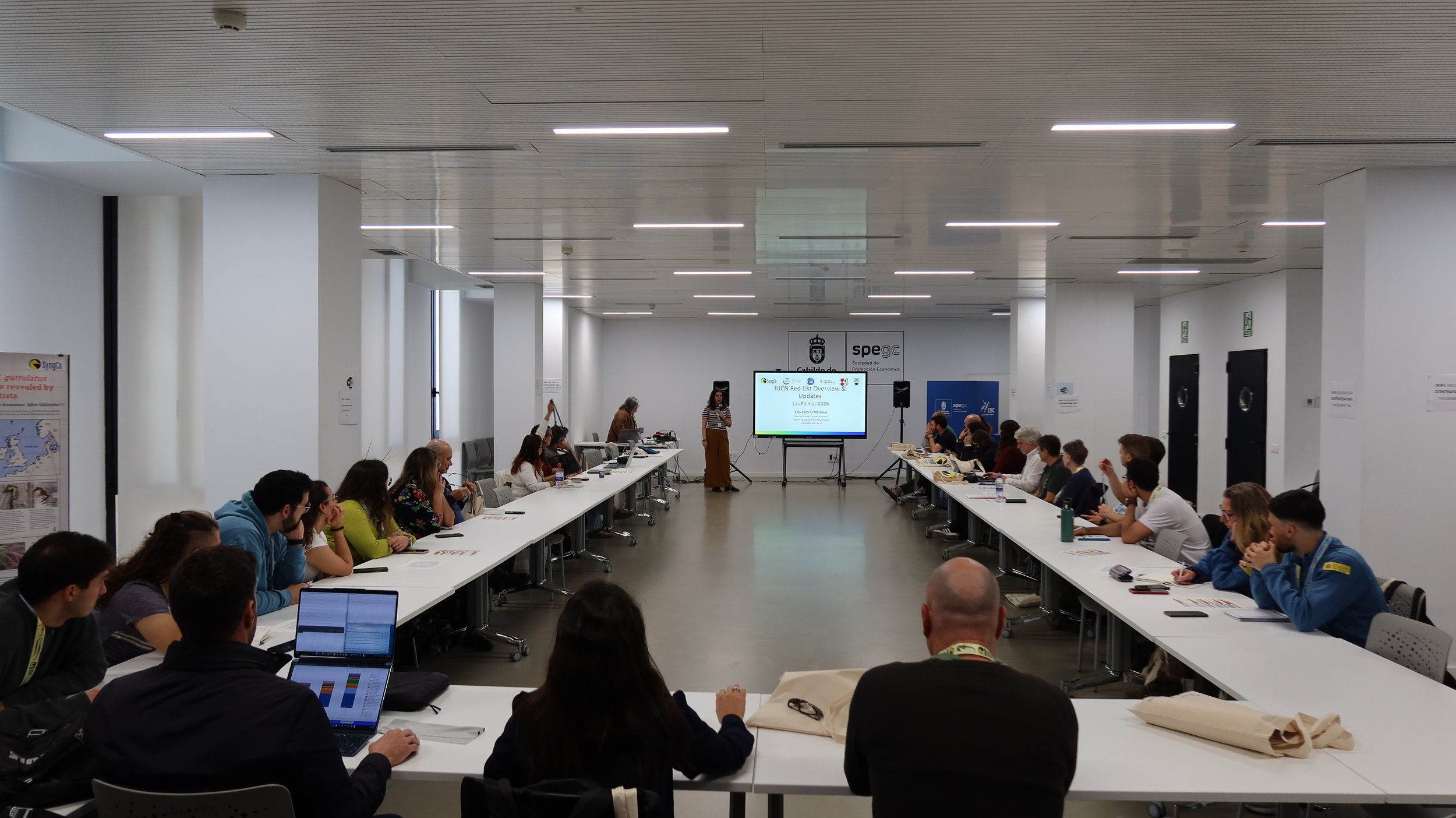
Photo credit: © Felipe Ravina and Miguel Correia
Did any new observations or expert input help update what we know about particular species or their distribution?
Yes. For one rarely observed Mediterranean pipefish, experts at the workshop had records from locations outside the species’ previously described range. Their observations allowed us to update the species’ distribution and gain a clearer picture of where it occurs. They also contributed valuable information on population densities.
Following this workshop, what are the next steps for the IUCN Seahorse, Pipefish and Seadragon Specialist Group?
This workshop helped strengthen our connections with European colleagues who aren’t yet part of the Specialist Group. Building and maintaining those relationships will be important as we continue regional conservation work.
What stayed with you most about this experience?
I was struck by how many passionate syngnathid enthusiasts there are across Europe and how much valuable work is already underway. Their efforts will be incredibly important for improving conservation outcomes for European species.
Lastly, can you give us one word to describe SyngCo?
Collaborative!