
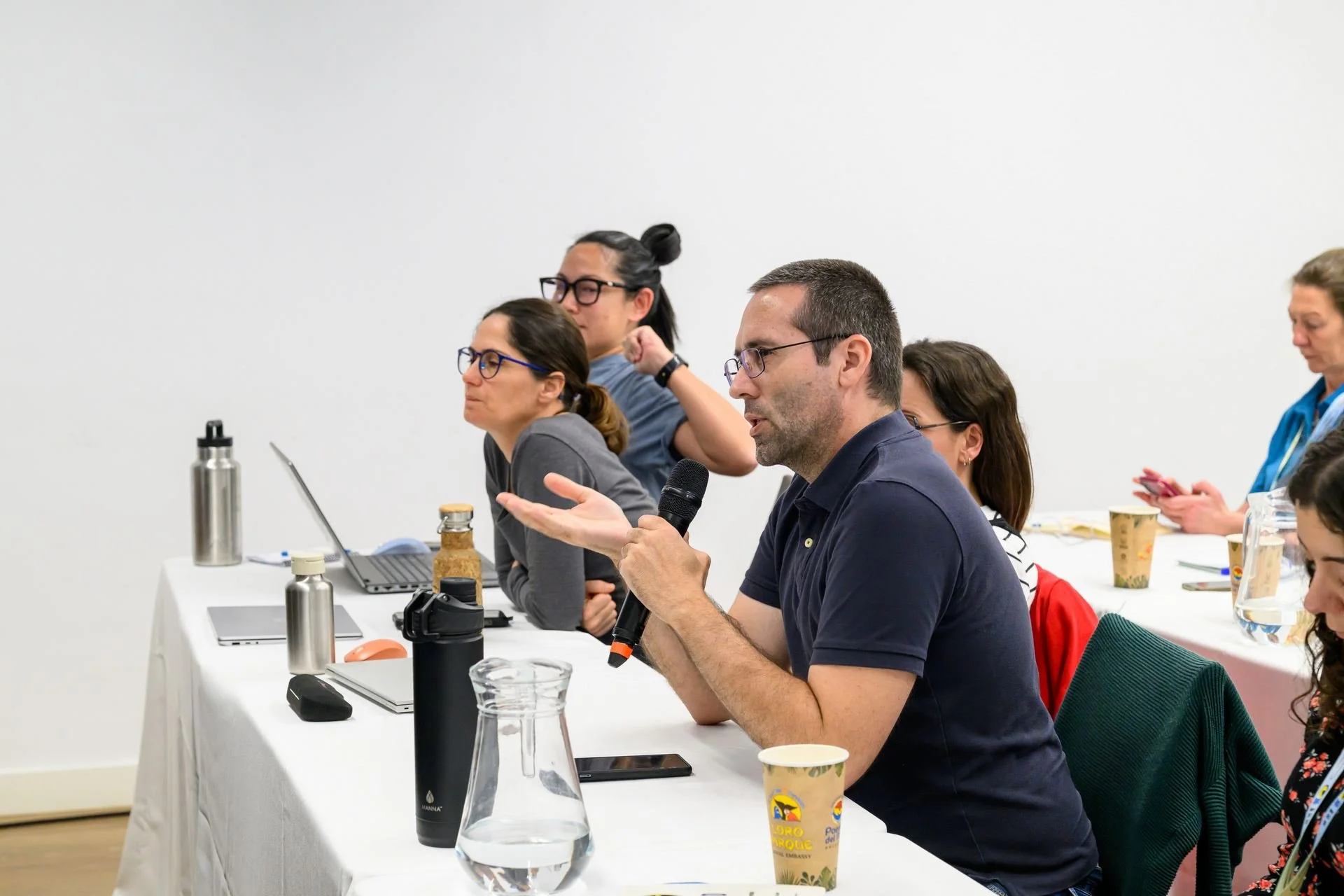
Miguel Correia, our thematic Focal Point for Field Conservation recently attended SyngCo, a scientific conference dedicated to the conservation and research of seahorses and their relatives in Las Palmas De Gran Canaria.
We caught up with Miguel to hear about his experience and what it meant to represent both the IUCN Seahorse, Pipefish and Seadragon Specialist Group at an international conference.
What is SyngCo, and why is it important for us to be part of it?
SyngCo was a scientific conference dedicated to the conservation and research of syngnathids (seahorses, pipefishes, pipehorses, and seadragons). Developed as an output of the EUROSYNG Project, and organized in collaboration with the Loro Parque Foundation and Acuario Poema del Mar. The event brought together researchers, conservation practitioners, aquariums, and other stakeholders to share scientific advances and discuss key challenges in syngnathid conservation, including population status, citizen science, conservation strategies, and recovery efforts. The conference strongly aligned with the goals of Project Seahorse and the IUCN Seahorse, Pipefish and Seadragon Specialist Group by promoting collaboration, improving knowledge on species status and threats, and advancing evidence-based approaches to the conservation and sustainable management of syngnathid species.
SyngCo brought together researchers working across population assessments, conservation tools, and recovery efforts. What felt most urgent coming out of those discussions?
Due to the nature of the symposium, SyngCo primarily focused on European species, which may not fully represent the global situation for syngnathids. However, many of the issues discussed are unfortunately common to most syngnathid species. Among those highlighted at the meeting, I would emphasize habitat loss and degradation, along with ongoing climate change, as the main threats to European syngnathids. Considering potential mitigations for these threats is, in my view, of paramount importance.
What does a syngnathid conservation roadmap look like in practice, and what role does our specialist group play?
SyngCo defined some goals for the syngnathid conservation roadmap: to determine the appropriate methods for population assessment, to define the necessary data that can support best practices for human-syngnathid interactions, and to serve as a foundation for the creation of progressive policies and management strategies. The IUCN SPS SG had a strong presence at the event and is actively involved in guiding efforts to achieve these goals.
What key data gaps or priorities for improving conservation came out of the meeting?
SyngCo emphasized the importance of standardizing data collection methods in the field. This standardization is essential for harmonizing data from population survey initiatives, enabling comparisons between different studies, and identifying trends in wild populations to improve conservation planning. Additionally, discussions focused on using conservation translocation initiatives to recover declining populations. The IUCN SPS SG is actively preparing guidance on these matters through documentation to ensure the implementation of best practices.
What is the most important next step for our specialist group following SyngCo?
The IUCN Seahorse, Pipefish, and Seadragon Specialist Group (IUCN SPS SG) is committed to supporting syngnathid conservation initiatives through the extensive expertise of its members. Following SyngCo, a crucial next step for the IUCN SPS SG is to build on the momentum generated by the conference by strengthening collaboration among researchers, conservation practitioners, and partner organizations on a broader scale. This includes expanding knowledge exchange and collaborations through an international meeting (SyngBio) that encompasses all regions of the globe. The goal is to translate the knowledge shared at the meeting into concrete actions, such as improving global assessments of syngnathid species, promoting standardized monitoring approaches, and fostering data sharing across regions. Ultimately, the IUCN SPS SG aims to advance collaborative initiatives that address key threats, support habitat protection, and integrate citizen science and aquarium expertise to further common conservation goals.
What gives you hope right now for syngnathid conservation?
Although the community of syngnathid experts and enthusiasts is small, a new generation is emerging that is eager to contribute to ongoing conservation efforts and lead this movement for years to come. This dedicated group, primarily consisting of members from the IUCN SPS SG, is making an increasingly significant impact on syngnathid conservation globally, positively influencing wild populations.
Was there a standout moment or session during the workshop for you?
The IUCN Red List workshop, led by the Red List Authority Coordinator Elsa Camins, provided a valuable opportunity to clarify the nuances of species extinction risk assessment. It was essential to share the various steps involved in the process and the challenges of reaching a final category given the often-limited data available. The attendees' contributions to finalizing four species assessments were undoubtedly the highlight of the workshop.
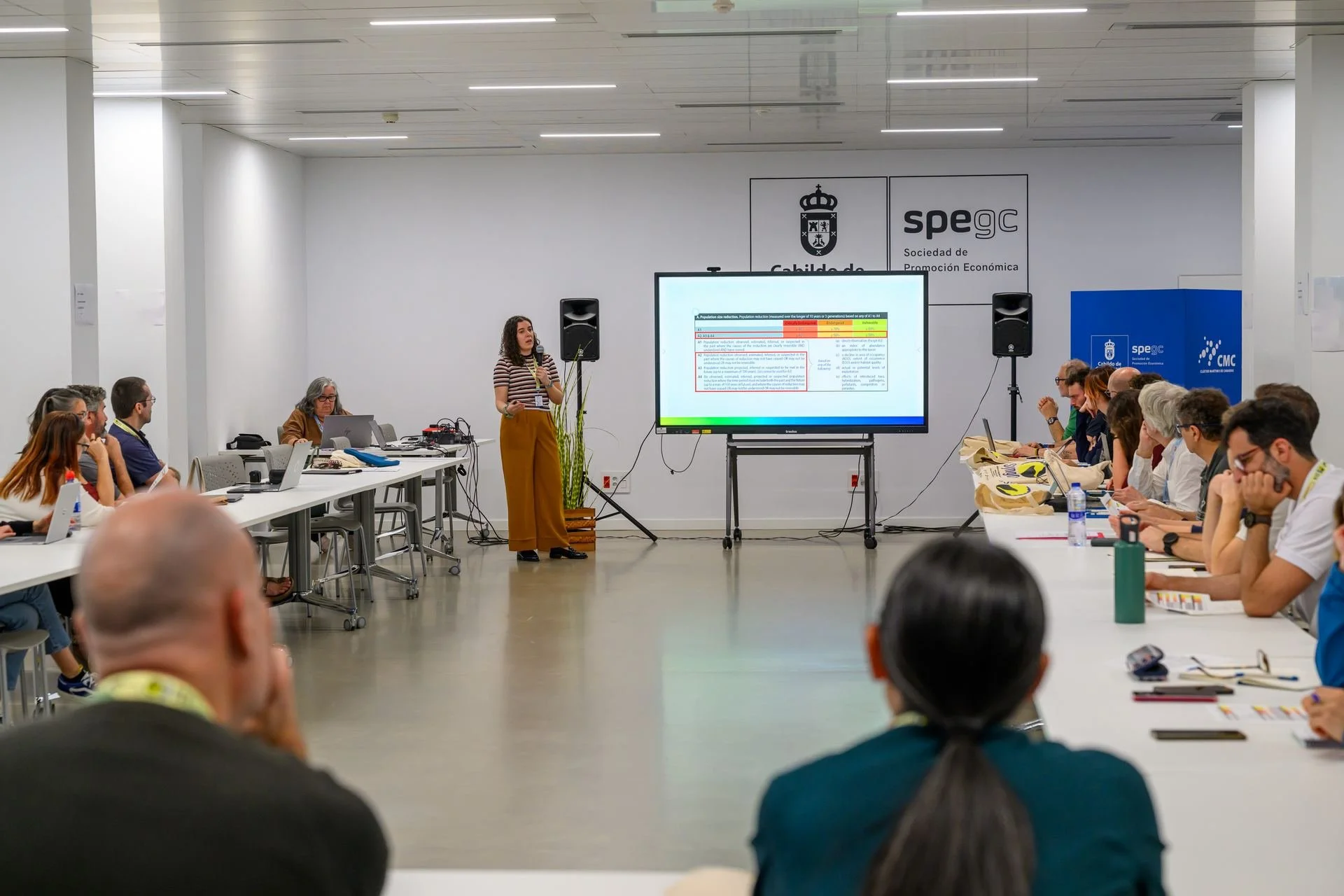
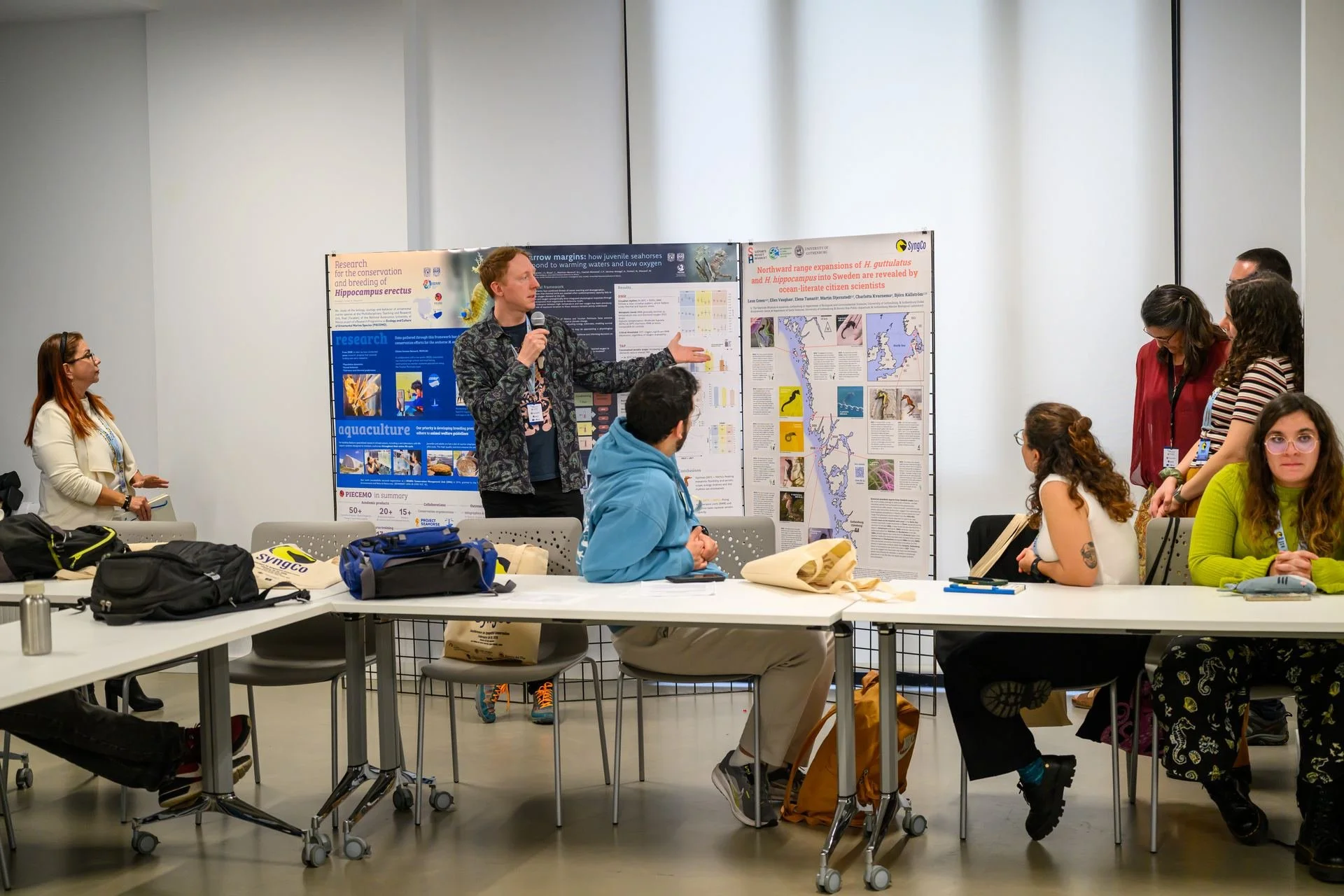
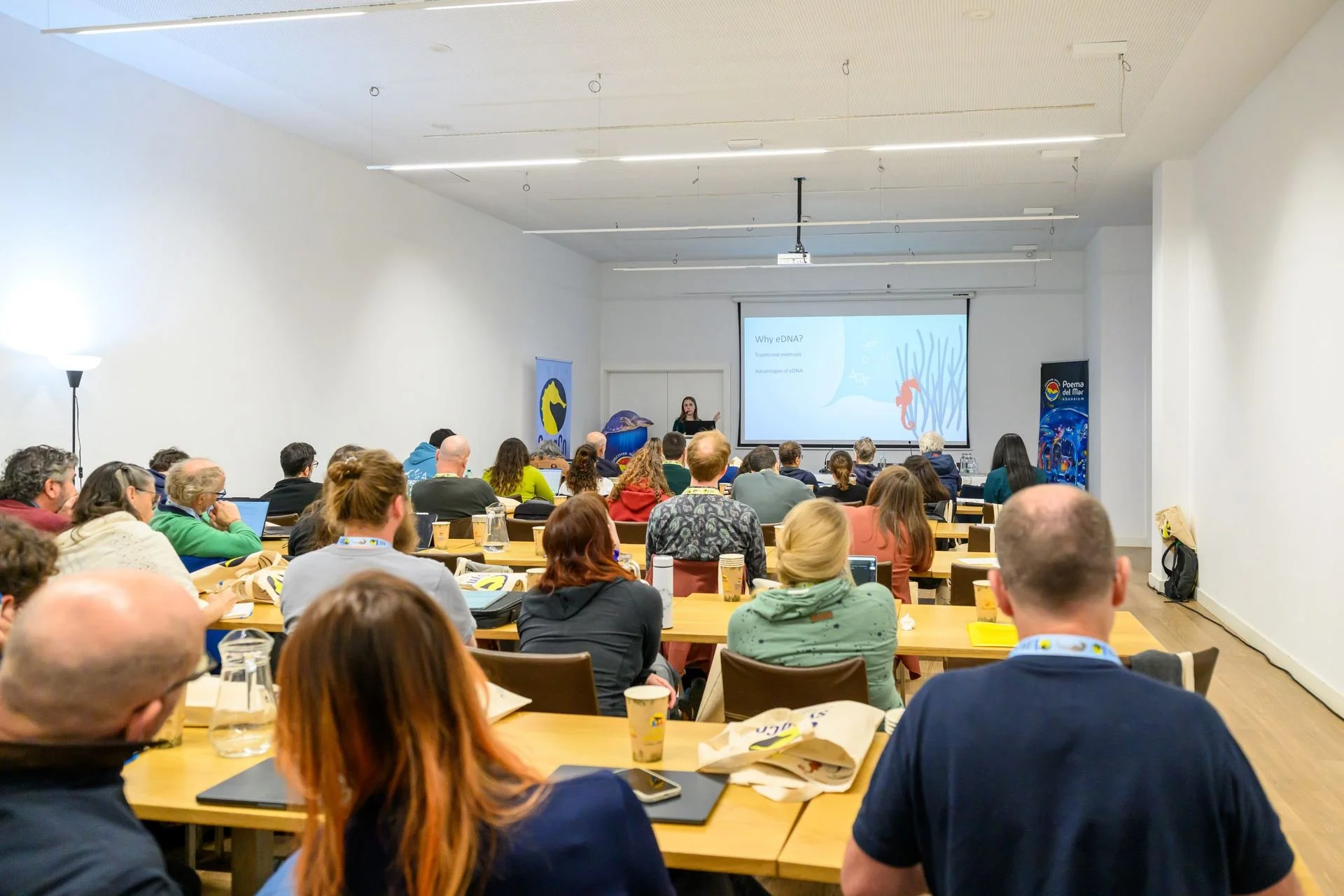
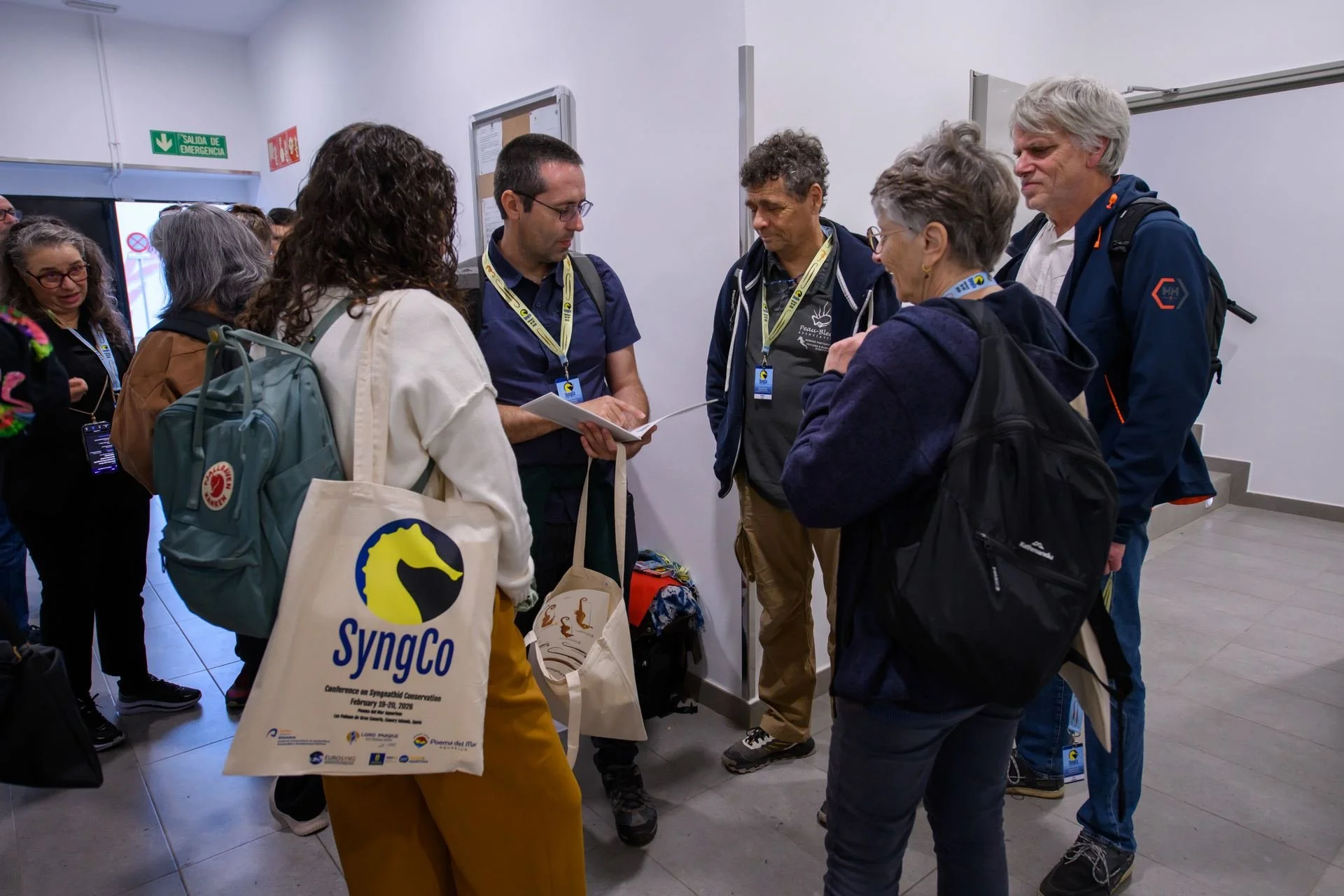
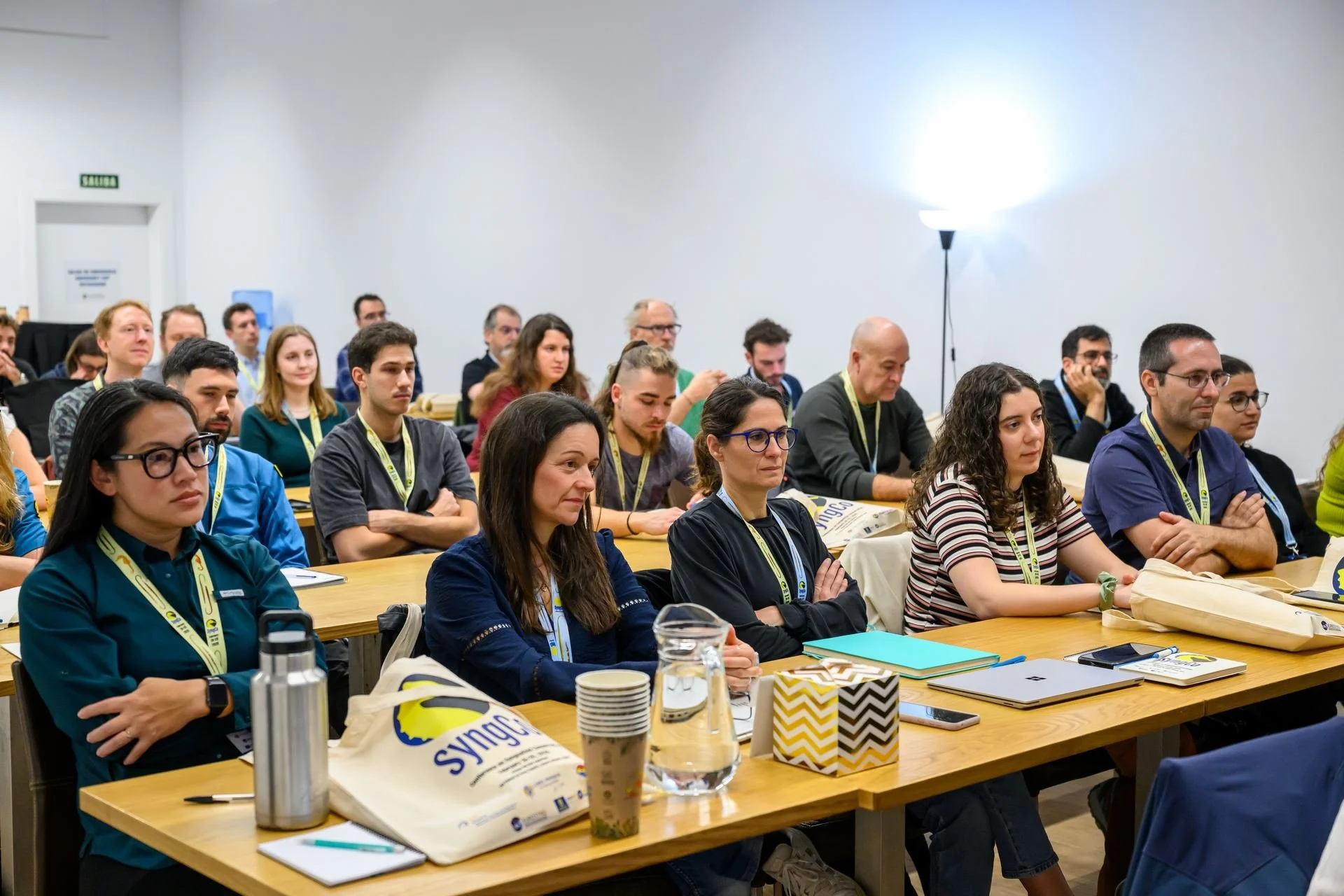
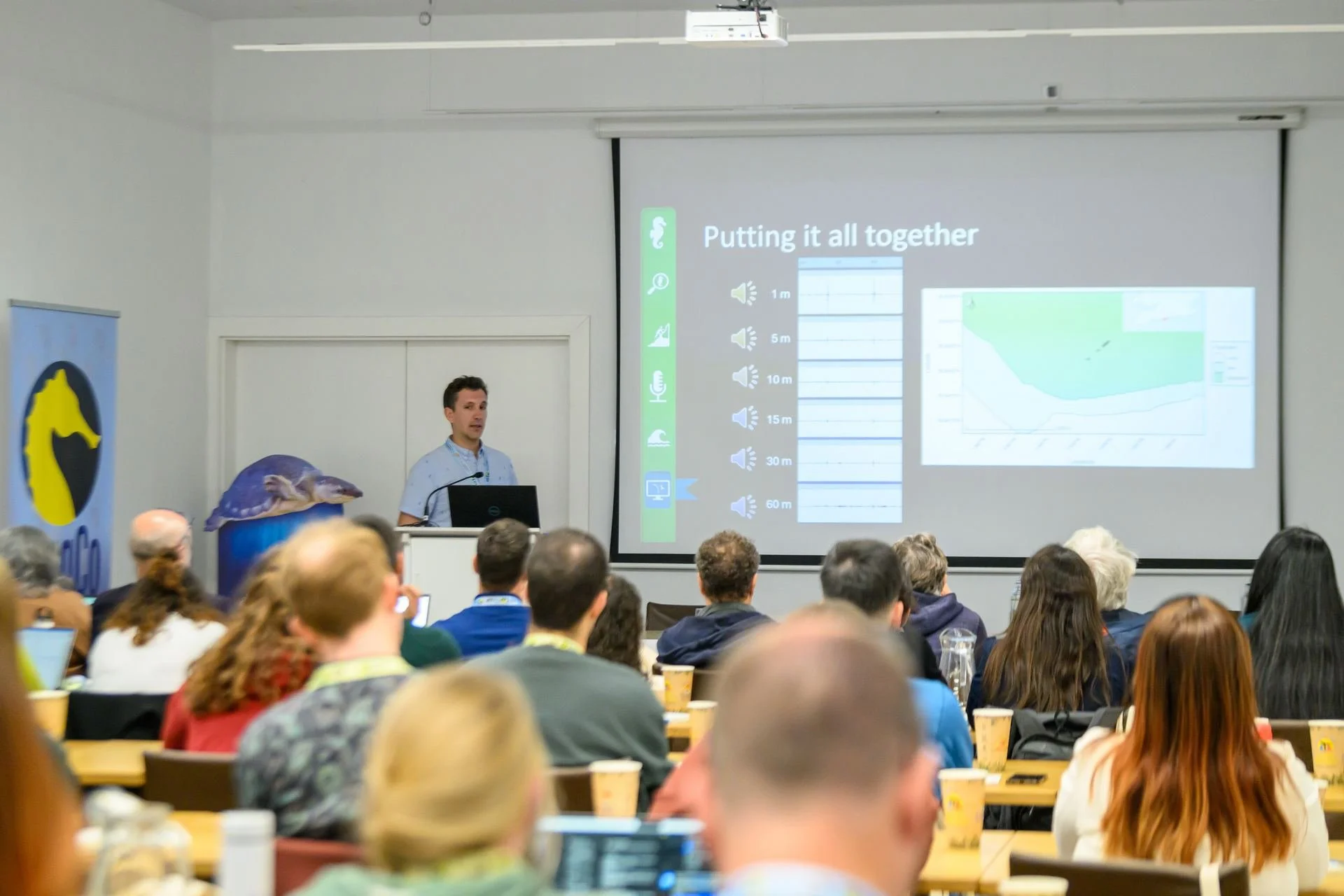
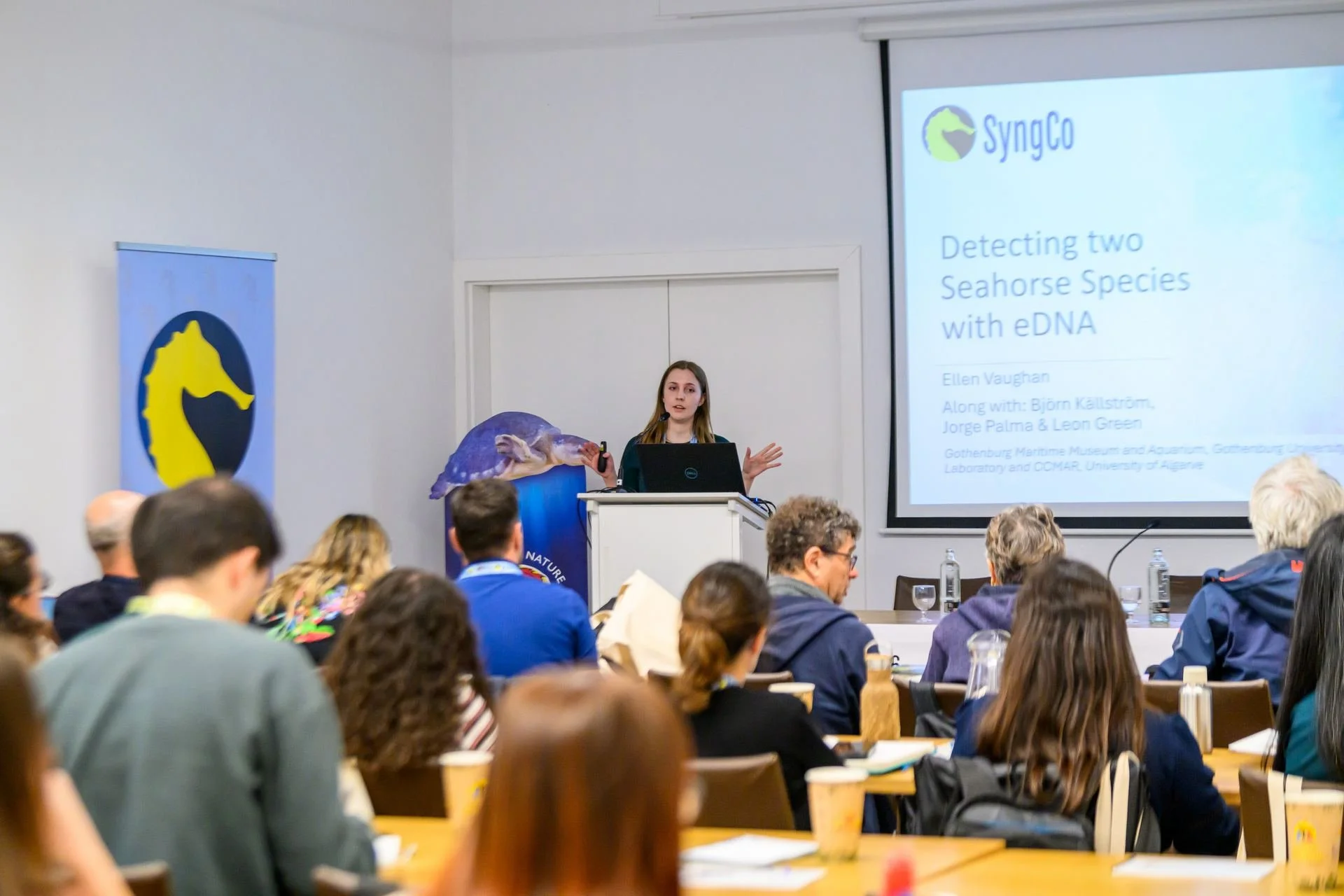
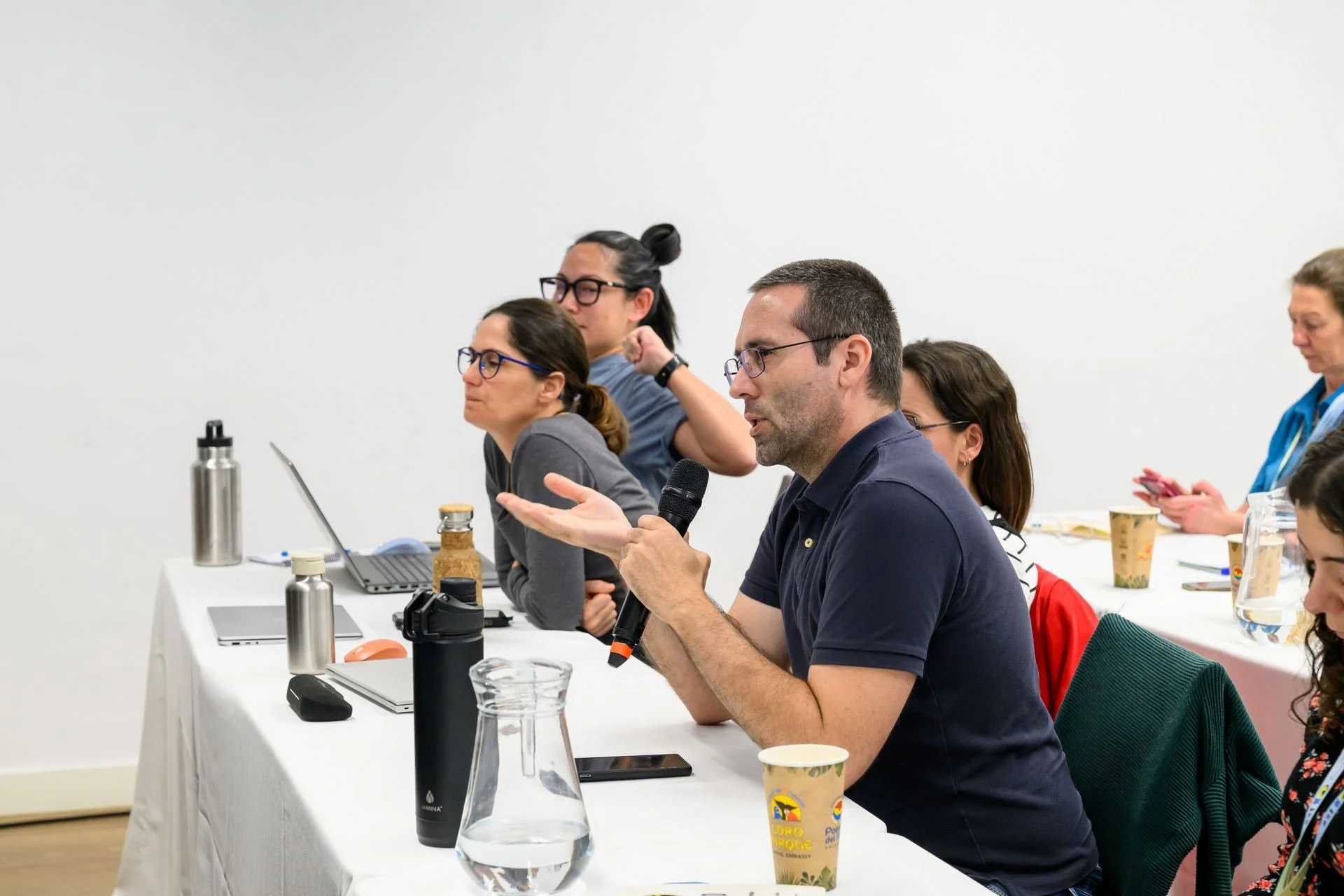
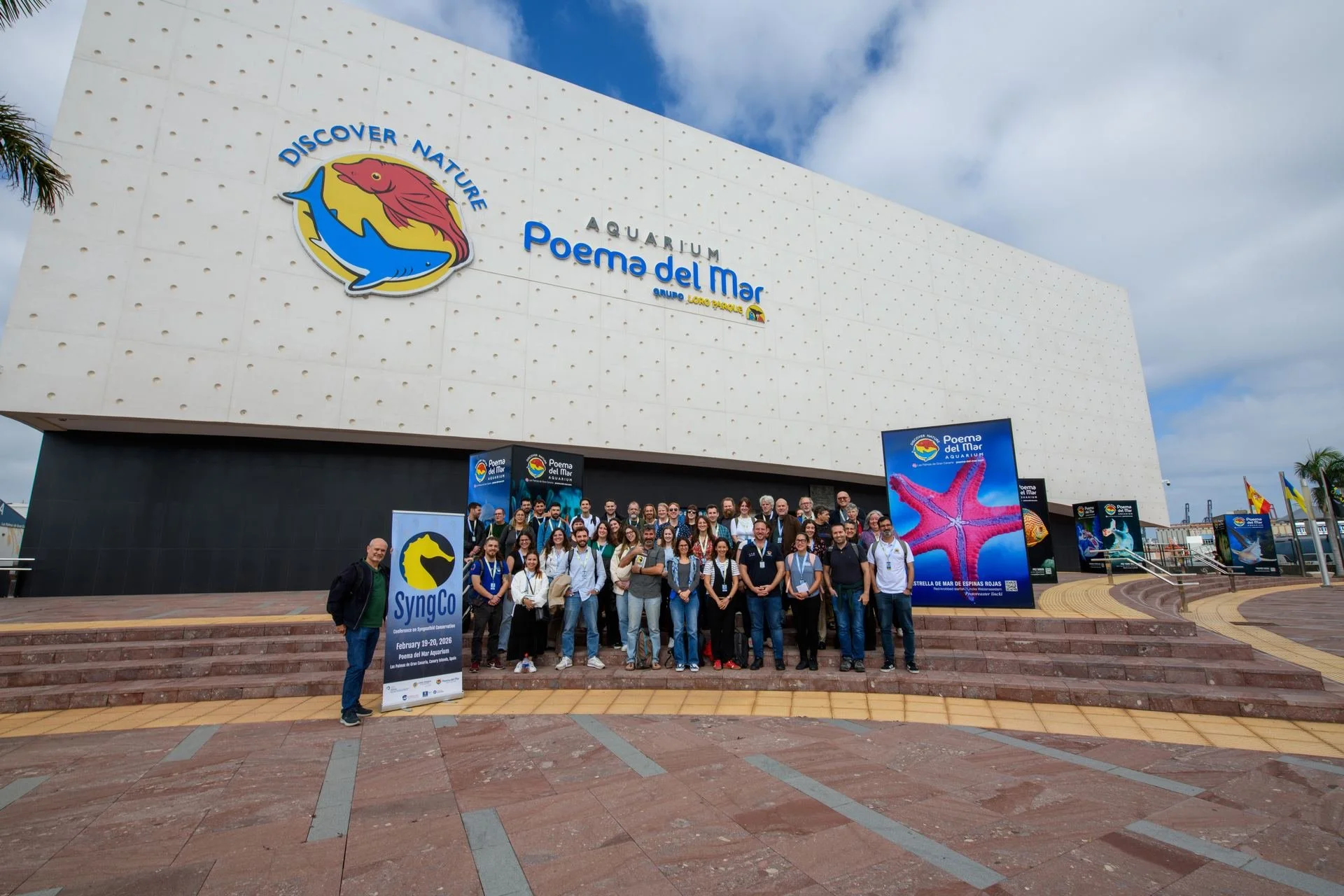
Photo credits: © Felipe Ravina
What key innovations or ideas from the conference stayed with you most?
During SyngCo, a set of innovative methods was presented, including the use of eDNA to sample wild syngnathid populations, acoustics to detect specific sounds produced by seahorses as a means of determining their presence, and AI recognition software to assist with species identification in the field. These valuable methods are being driven by bright young researchers who will make a significant impact on the future of syngnathid conservation globally.
In one word, how would you describe your experience at SyngCo?If I were to summarize this trip in one word, it would be "inspiring." Attending this meeting allowed me to be inspired by the ongoing efforts toward syngnathid conservation and to recognize that a new generation of bright and passionate young scientists will be the future champions of this cause.